The Math of Passive Income: Why Customer LTV is More Important Than Lead Cost
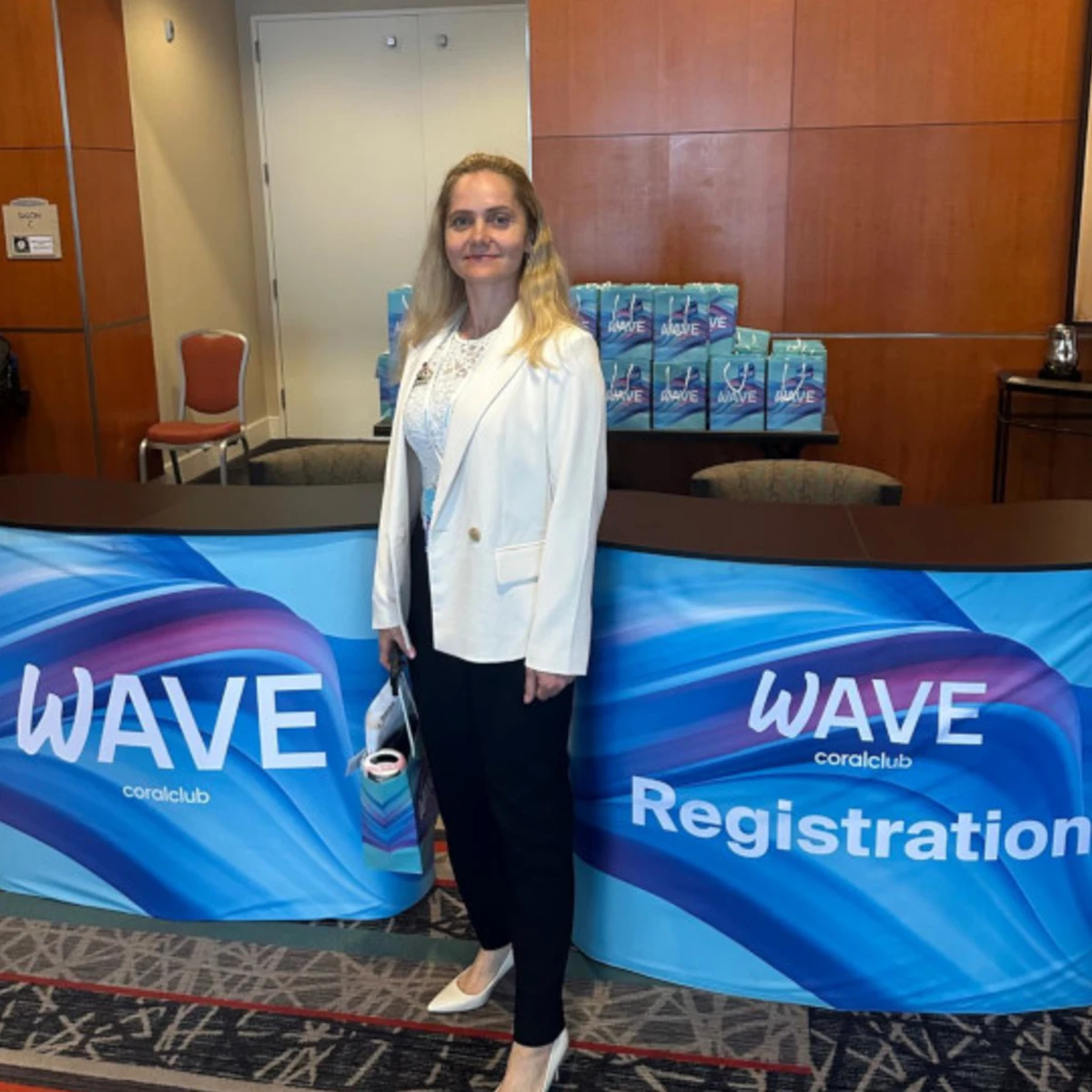 Dina Gonchar
Traffic Inflation and Acquisition Economics
Any commercial structure relies on digitized metrics. In the direct sales industry, a basic mistake is shifting the focus from audience retention to an aggressive search for new contacts. The financial stability of the network is determined by the difference between the cost of a lead and their lifetime value.
Acquisition cost reflects the volume of resources spent on converting a cold audience into a buyer. In turn, LTV shows the total gross profit generated by a single consumer over the entire period of interaction with the brand.
Digital platform algorithms are steadily driving up the cost of attention. Distributors working with one-off demand products are forced to constantly increase their marketing budget to maintain their current income level.
Recurrent Model vs. One-off Transactions
An analysis of the direct sales market reveals the paradox of the first deal. Selling a water filtration system for $1000 generates a high margin at the moment. However, the equipment replacement cycle takes several years, which effectively equates the LTV to the amount of the initial purchase.
The Coral Club economy operates on the basis of recurrent payments. The architecture of the product matrix is based on consumables — hydration and cellular nutrition protocols. The consumption cycle of the base product is limited to 30 days.
The initial check in a recurrent model is significantly lower, but the financial potential is revealed over a distance. Systematic consumption forms an LTV that repeatedly exceeds the initial costs of client onboarding.
Physiological Attachment as a Retention Driver
A high audience retention rate is not the result of aggressive sales. It is formed by integrating the product into a basic physiological routine. Coral Club's product concepts focus on normalizing water balance — a process that yields quick, measurable results.
The consumer initiates a repeat transaction on their own, relying on objective changes in energy levels and recovery quality. This relieves the distributor of the need to regularly stimulate demand.
Analytics prove that focusing on primary traffic without an established service support system leads to a washout of the customer base. A real asset is formed only when the audience learns the systematic consumption of bioavailable water, demonstrating a retention rate above 60 percent over a three-year horizon. Ignoring this law makes scaling impossible.
Operational Risks and Cash Gaps
The recurrent model doesn't guarantee automatic super profits. An infrastructure tied to the LTV metric requires a financial reserve at the launch stage and strict standardization of customer service.
Key vulnerabilities of the consumer network building system:
- Delayed profitability. The commission reward from the first purchase of the base program doesn't always cover the acquisition costs. The break-even point is reached in the second or third month of continuous consumption.
- High onboarding cost. Adapting a new consumer requires investing time in explaining the conceptual approach to health and monitoring primary metrics.
- Sensitivity to service. Violating the service protocol at the start completely destroys the client's potential LTV, depriving the distributor of profit for subsequent years.
Market Environment Change Forecast
The cost of digital attention will continue its exponential growth. Algorithmic traffic price hikes make the linear model of continuous search for new buyers mathematically unprofitable for independent distributors.
The integration of renewable products into daily life becomes the only foundation for a profitable partnership. Companies capable of generating monthly organic turnover without pressure from sellers accumulate the bulk of industry capital.